
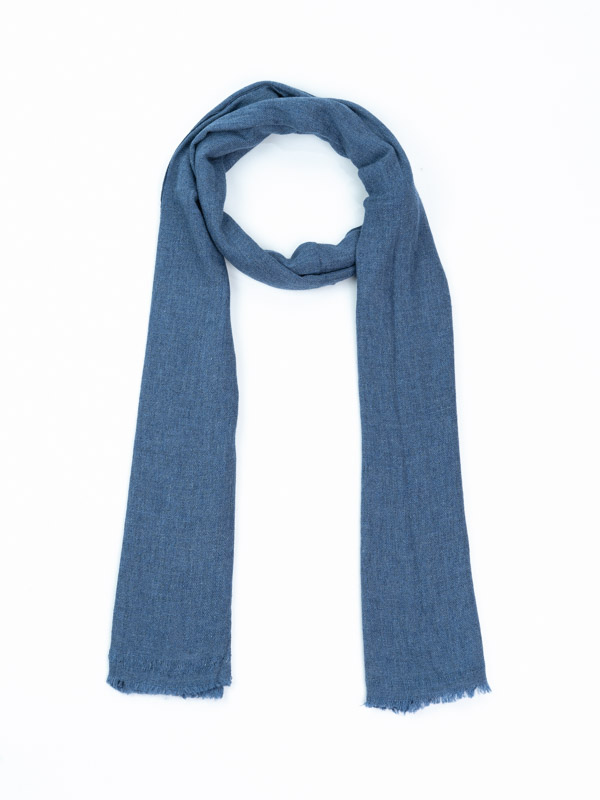
Contents
- Introduction to Knitting a Scarf
- Choosing the Right Yarn and Needles
- Casting On and Knitting the Scarf
- Binding Off and Finishing the Scarf
- Tips and Tricks for Knitting a Scarf
- Cultural Significance of Scarves
- Current Trends in Scarf Knitting
- Common Mistakes to Avoid
- Advanced Techniques for Scarf Knitting
- Resources for Further Learning
- Sustainability in Scarf-Making
- References
Overview
Knitting a scarf is a fun and rewarding project that can be completed by knitters of all levels. With a few basic tools and some patience, you can create a beautiful, cozy scarf to keep you warm and stylish. From choosing the right yarn and needles to casting on and binding off, this guide will walk you through the process of knitting a scarf. Whether you're a beginner or an experienced knitter, you'll find tips and tricks to help you create a scarf that's perfect for any occasion. With the right techniques and materials, you can create a scarf that's not only warm and cozy but also a fashion statement. So, grab your knitting needles and let's get started on this exciting project.
Introduction to Knitting a Scarf
Introduction to knitting a scarf — Knitting a scarf is a great way to start your knitting journey, as it requires only basic knitting skills and can be completed quickly. Today, scarves are a popular accessory, made from a variety of materials, including wool, linen, silk, and cotton.
Choosing the Right Yarn and Needles
Choosing the right yarn and needles — When it comes to knitting a scarf, the type of yarn and needles you use can make all the difference. Yarn comes in a variety of materials, including wool, cotton, and synthetic fibers, each with its own unique characteristics and benefits. Knitting needles come in different sizes and materials, including aluminum, wood, and plastic. The right combination of yarn and needles can help you create a scarf that's soft, warm, and stylish. For example, Merino wool is a popular choice for scarves, as it's soft, breathable, and warm. Cotton yarn is another popular choice, as it's durable and easy to care for.
Casting On and Knitting the Scarf
Casting on and knitting the scarf — Once you've chosen your yarn and needles, it's time to start knitting. Casting on is the process of putting the stitches onto the needles, and there are several methods to choose from, including the long-tail cast-on and the knitted cast-on. Knitting stitches are the building blocks of knitting, and there are many different types to choose from, including the garter stitch, stockinette stitch, and ribbing. The type of stitch you choose will depend on the look and feel you want to achieve, as well as the type of yarn you're using. For example, the Garter stitch is a great choice for scarves, as it's textured and visually interesting.
Binding Off and Finishing the Scarf
Binding off and finishing the scarf — Once you've completed the knitting, it's time to bind off and finish the scarf. Binding off is the process of securing the last row of stitches, and there are several methods to choose from, including the basic bind-off and the stretchy bind-off. Finishing techniques can make a big difference in the overall look and feel of the scarf, and include things like weaving in ends, blocking, and adding a fringe. For example, weaving in ends is an important step, as it helps to create a neat and tidy finish. Blocking is another important step, as it helps to even out the stitches and give the scarf a professional finish.
Tips and Tricks for Knitting a Scarf
Tips and tricks for knitting a scarf — Knitting a scarf can be a fun and rewarding project, but it can also be frustrating if you're new to knitting. Knitting tips and tricks can help you to avoid common mistakes and achieve the look you want. For example, swatching is an important step, as it helps you to determine the gauge of your yarn and needles. Yarn substitution can also be an important consideration, as it can affect the look and feel of your finished scarf.
Cultural Significance of Scarves
Cultural significance of scarves — In India, scarves are an important part of traditional dress. In Egypt, scarves are worn as a symbol of spirituality and connection to the divine.
Current Trends in Scarf Knitting
Current trends in scarf knitting — Chunky knits, cable knits, and fair isle knits are current trends in scarf knitting. Recycled yarn and hand-dyed yarn are also popular choices, as they add a unique touch to the finished scarf.
Common Mistakes to Avoid
Common mistakes to avoid — Knitting a scarf can be a fun and rewarding project, but it can also be frustrating if you're new to knitting. Common knitting mistakes include things like uneven tension, dropped stitches, and incorrect yarn usage. Troubleshooting is an important part of the knitting process, and can help you to identify and fix problems as they arise.
Advanced Techniques for Scarf Knitting
Advanced techniques for scarf knitting — Once you've mastered the basics of knitting a scarf, you can start to explore more advanced techniques. Cable knitting and fair isle knitting are popular choices, as they add texture and visual interest to the scarf. Intarsia knitting is another technique that involves knitting with multiple colors, and can be used to create intricate and detailed designs.
Resources for Further Learning
Resources for further learning — Knitting a scarf is just the beginning, and there are many resources available to help you to improve your skills and learn new techniques. Knitting books and knitting patterns can provide a wealth of information and inspiration, and can help you to take your knitting to the next level. Online knitting communities are also a great resource, as they provide a platform for knitters to share their experiences and learn from one another.
Key Facts
- Category
- knitting-techniques
- Type
- topic