
Summary
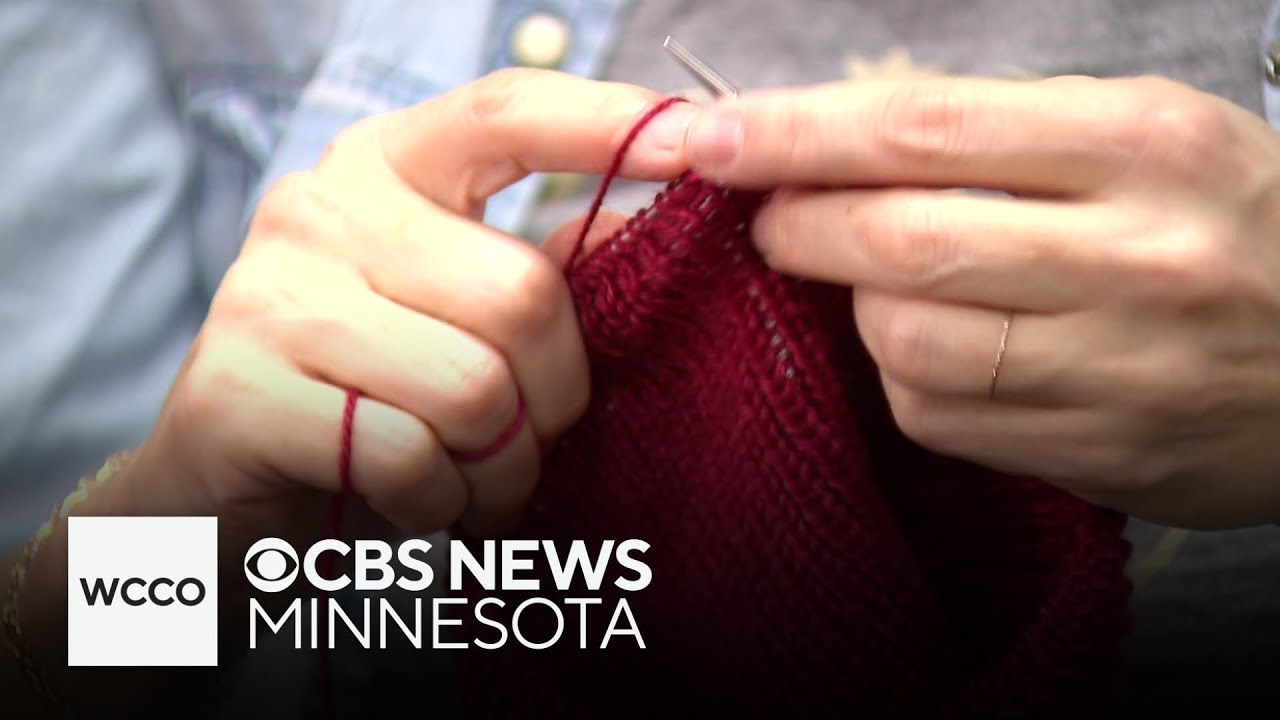
A surge in demand for **red yarn** is being driven by the creation of **"Melt the ICE" hats**, a new protest symbol against the Trump administration's immigration policies. These hats, inspired by **1940s-era designs**, are being rapidly produced by local **yarn shops** and individuals alike. The movement highlights how seemingly simple crafts can be repurposed for potent political statements, echoing historical instances of textiles as protest banners. This trend underscores the growing intersection of **craftivism** and political activism in the contemporary landscape.
Key Takeaways
- Red yarn demand has surged due to the "Melt the ICE" hat protest.
- The hats are a symbol of opposition to Trump administration immigration policies.
- The design draws inspiration from 1940s-era knitwear.
- The trend showcases the intersection of craft and political activism.
- Local yarn shops are experiencing a significant increase in business.
Balanced Perspective
The "Melt the ICE" hat phenomenon illustrates a specific instance of symbolic protest tied to a particular political climate and policy. The demand for red yarn and the adoption of a vintage design are observable trends. The effectiveness and longevity of this symbol as a protest tool remain to be seen, contingent on broader public engagement and the evolution of the political issues it addresses.
Optimistic View
The "Melt the ICE" hat movement represents a powerful, grassroots manifestation of dissent, demonstrating how everyday objects can become potent symbols of resistance. It fosters community engagement and empowers individuals to participate actively in political discourse through creative expression. This trend could inspire further innovative forms of **craftivism**, making activism more accessible and visible across diverse communities.
Critical View
While seemingly innocuous, the "Melt the ICE" hat trend could be seen as a superficial engagement with complex immigration issues, potentially overshadowing more substantive policy discussions. The focus on a single symbol might dilute the broader message, and the rapid commodification of protest items risks trivializing genuine activism. Furthermore, the inspiration from **1940s hats** could inadvertently evoke historical contexts that complicate its intended message.
Source
Originally reported by The Detroit News