
Summary
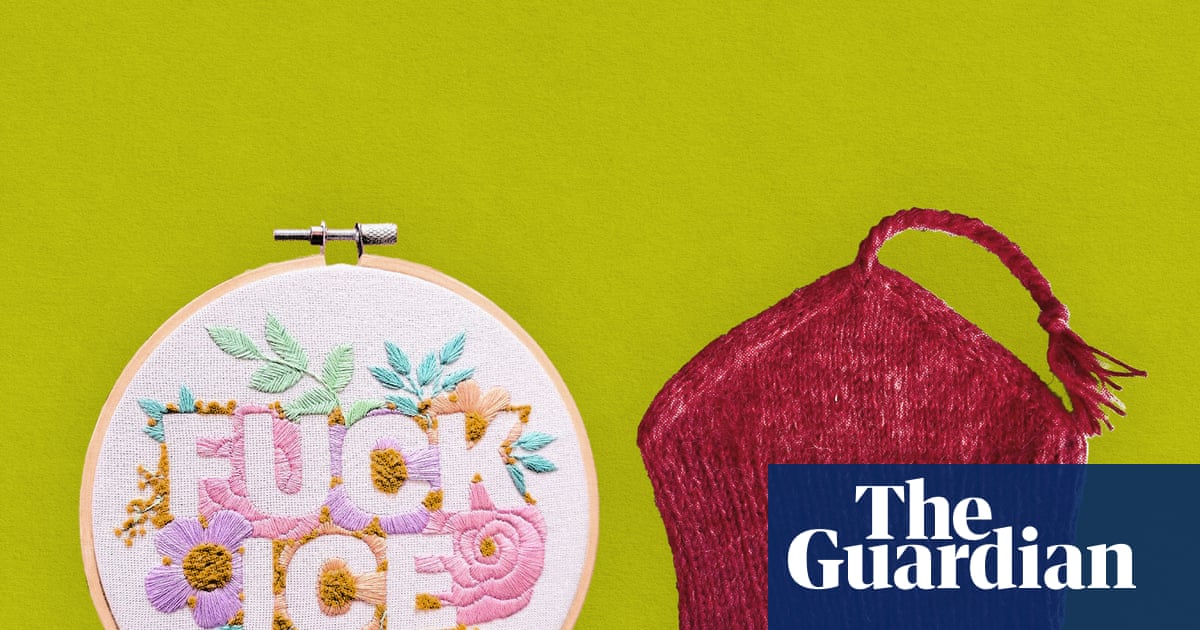
A growing movement of [[craftivism|craftivists]] is using traditional hobbies like knitting and nail art to protest the policies and practices of U.S. Immigration and Customs Enforcement (ICE). These makers are creating items emblazoned with messages like 'Melt the ICE' and 'No One Is Illegal,' turning everyday objects into political statements. Beyond mere protest, many are also actively fundraising for organizations supporting individuals affected by immigration raids and detention, demonstrating a tangible link between creative expression and direct action. This trend highlights a resurgence of craft as a political tool, echoing historical precedents where domestic arts were used for social commentary and resistance. The accessibility of these crafts allows a broad demographic to participate, bypassing traditional activism channels and embedding dissent into personal style and home decor. The movement is gaining traction online, fostering a sense of community among participants and amplifying their message.
Key Takeaways
- Hobbyists are using knitting and nail art as forms of protest against [[ICE|Immigration and Customs Enforcement]].
- The movement, dubbed 'rage knitting,' incorporates political messages into handmade items.
- Participants are actively fundraising for organizations assisting immigrants affected by enforcement actions.
- This trend represents a modern resurgence of [[craftivism|craftivism]] as a political tool.
- The movement leverages social media for community building and message dissemination.
Balanced Perspective
The 'rage knitting' and related craft-based protests against ICE represent a contemporary manifestation of [[craftivism|craftivism]], a tactic that has historically been employed to convey social and political messages. Participants are utilizing their creative skills to express opposition to immigration policies and to generate financial support for advocacy groups. The effectiveness of these methods in influencing policy or public opinion remains an open question, but their role in community building and raising awareness is evident.
Optimistic View
This wave of craftivism represents a powerful, accessible form of dissent that democratizes political engagement. By transforming mundane activities into acts of protest, it empowers individuals, particularly women and marginalized communities, to voice their opposition to [[ICE|Immigration and Customs Enforcement]] policies. The tangible nature of the crafts, coupled with fundraising efforts, creates direct support for affected communities and raises crucial awareness, fostering a more empathetic and just society.
Critical View
While well-intentioned, this form of protest risks being dismissed as trivial or performative, failing to achieve substantive policy change against a powerful agency like [[ICE|Immigration and Customs Enforcement]]. The focus on aesthetics like 'sparkly nails' might dilute the seriousness of the underlying issues, potentially alienating those who seek more direct or impactful forms of activism. Furthermore, the decentralized nature of online movements can make it difficult to measure collective impact or sustain momentum.
Source
Originally reported by The Guardian